
Bulky Items Delivery in Singapore: How It Works and Challenges
In Singapore, bulky items delivery is commonly done by lorries. Bulky items delivery is a service that enables customers to receive large and heavy items without having to go through the hassle of carrying them themselves. This is a service that is commonly used among people who are moving, renovating or redesigning their homes. In Singapore, there are a few companies that offer bulky items delivery and moving services. The top leading on-demand delivery company would be uParcel, which has been in the business for more than 5 years. In this article, we will look at how bulky item delivery works.
There are a few other types of bulky item deliveries that take place in Singapore. For example, bulky items delivery in Singapore is a service that allows customers or business owners to send large and heavy items to another location. The process of sending a bulky item is straightforward: you place an order for a bulky item on the uParcel's website or customer app, and the appointed delivery agent will collect the item from your location. The delivery agent will then deliver the item to the designated address. There are a few things to note, however: firstly, not all items are eligible for delivery; secondly, there is a weight limit for the vehicle selected. Check the website for the sizes and delivery rates: https://uparcel.sg/rates
Bulky items delivery is one of the most popular and efficient ways to get rid of large items. It’s convenient, affordable, and fast. However, there are a few things you should know about bulky items delivery in Singapore before you decide to use this service:
1. Bulky item delivery companies typically have a minimum order size. This means that if your item is smaller than the minimum size requirement, you may have to pay for the entire minimum order size.
2. Not all bulky item delivery companies offer the same services. Some companies deliver your item to your doorstep at no extra charge. Some companies only deliver till the void deck, any additional manpower required to carry to your doorstep will be at extra costs.
Request for delivery now via our website or our app on Google Playstore or Apple Appstore.
Other Blog Posts

Top 5 Franchise Ideas in Singapore (2026): Honest Side Hustle Comparison
Thinking of starting a side hustle in Singapore, but not keen to build everything from scratch? Consider franchising a concept with ready infrastructure, proven SOPs, and built-in brand recognition. It’s plug-and-play where the systems, suppliers, and playbook are already set up so you just have to operate instead of reinventing the wheel. Honest Franchise Reviews : Top 5 Franchise Ideas in Singapore We’ve rounded up the top 5 franchise opportunities in Singapore, and helped you assess them based on 3 key criteria that matter if you’re building this as a side hustle. Use this as your quick reference guide. How We Scored The Options METRIC WHAT IT MEASURES Upfront Costs Total capital needed to launch Monthly Maintenance Ongoing costs to keep running Passiveness How much it runs without you $ = Low $$ = Medium $$$ = High #1 Vending Machine Franchise: iJooz, InstaChef Vending machines have a passive appeal. They run 24/7, can earn while you are not around. But food and fresh juice machines need frequent restocking, maintenance, and proper location deals. The model works best if you have a competitive location and servicing teams. Best for : Patient operators who reinvest and grow slowly. Watch out for : Stock wastage, machine breakdowns, and securing good locations. #2 Gym /Spa : Anytime Fitness, K Skin Gym franchises are premium businesses with premium price tags. Getting into a brand like Anytime Fitness requires significant capital. There will be fit-out, equipment, franchise fees, and the rental of a large commercial unit which can be brutal. The upside is a recurring membership model that can be profitable at scale. The downside is that it might need a committed manager on-site and constant attention to member experience, equipment maintenance, and retention. Best for : Investors who can afford a manager & marketing team, and treat it as a full business investment Watch out for : Member churn, equipment costs, and the gap between opening and break-even #3 F&B Kiosk : Bubble Tea, Luckin, Chagee The concept has track records, and the barrier to entry is relatively manageable compared to full restaurants. But F&B is Singapore's most unforgiving industry. Location is everything. Rent can take up 40% of revenue. Staff are hard to retain. Food costs fluctuate. And you will be needed on the ground, especially in the early months. This is a business that rewards hard work and punishes absentee ownership. Best for : Hands-on operators who want to be in the thick of it and have an appetite for F&B Watch out for : Anyone expecting to run this as a true side income without significant daily involvement #4 Delivery Logistics : uParcel Zone Franchise uParcel zone delivery franchising is a novel addition to the traditional franchise model. Most franchises and businesses still require you to hustle for customers. You market, you pitch, and you compete. The uParcel Delivery Zone Franchise flips this entirely. When you franchise a delivery zone, you're assigned an exclusive geographic territory within Singapore. Every delivery job booked within that zone automatically flows to your fleet. You don't chase the work. The work finds you. With ready tech, AI-optimised routing, and an existing demand engine, it is a plug-in logistics play built for operators who want recurring volume without building the system from scratch. Best for : Operators who want structured, recurring work without building tech, branding, or starting a business with zero demand. Watch out for : Driver reliability, and customer ratings. #5 F&B Brand Franchise : Yakun, Beauty In A Pot These are brands that Singapore customers already know and trust. That brand recognition translates to potentially easier customer acquisition and a built-in audience from day one. The trade-off is a steep price of entry. Franchise fees for established F&B brands can run into the hundreds of thousands before you've spent a dollar on rent, fit-out, or staff. You're then locked into tight brand standards and operational requirements. It's a powerful mode but absolutely a full-time business, not a side project. Best For : Entrepreneurs tapping into a daily-need F&B brand loved by Singaporeans, with proven recipes and familiar flavors. Watch Out For : High franchise fees, mandatory brand-standard renovations, and exclusive supply chains from the franchisor. The Singapore Franchise Opportunities Scorecord This is the scorecard we’ve put together, ranking each franchise option based on upfront cost, monthly maintenance, and how passive the business can run. From the comparison, it’s clear that the uParcel Delivery Zone Franchise stands out with attractive initial investment and ongoing maintenance, while also subjected to less competition than the other options, making it a smart choice for entrepreneurs looking for building a side business with manageable start. Fig 1: Scorecard table comparing the top franchise opportunities in Singapore (2026) Final Thoughts: Choose Based on Lifestyle, Not Just Profit Franchising can be one of the fastest ways to start a business in Singapore without building everything from zero. The systems are ready. The branding is established. The operational playbook is already tested. But not all franchises are created equal especially if you're starting this as a side hustle. Some models demand heavy capital and full-time involvement. Others look passive but require constant operational attention behind the scenes. The real question is not just “How much can I earn?” but also: How much time can I commit? How much risk am I comfortable with? Do I want hands-on daily operations or structured recurring volume? If you're looking for a business that runs largely on manpower and location, vending or F&B may suit you. If you're prepared for a full-scale investment, gyms and established F&B brands offer brand power with higher stakes. For those who prefer a structured system with built-in demand and scalable operations, the logistics franchise model introduces a different kind of opportunity, one built around territory control and recurring job flow rather than walk-in customers. At the end of the day, the best franchise is the one aligned with your capital, capacity, and long-term goals. Choose wisely. Scale intentionally. And build something sustainable, not just exciting. CHECK OUT: How To Start With uParcel Delivery Zone Franchise?
How to efficiently pick and pack ecommerce orders as an online seller?
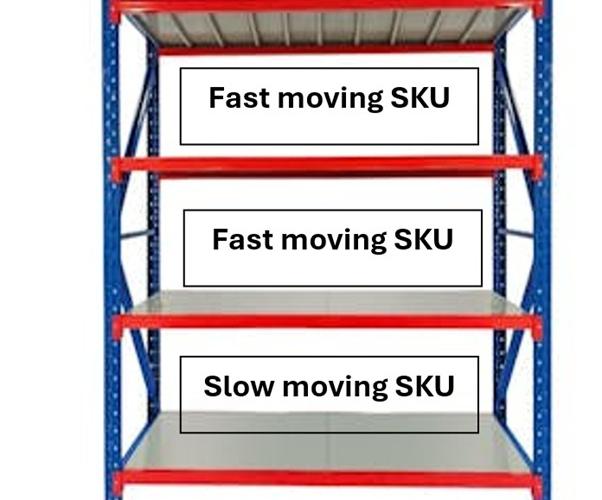
Any retailer today will definitely have online sales as one if not the only sales channel. With online sales comes picking and packing orders is a critical lever for profitability, customer satisfaction, and scalability. Picking and packing is the most labour-intensive part of fulfilling your online orders. Small changes in layout, process, and technology can yield massive gains. Here’s how to get it right. 1. Design a Pick-Friendly Warehouse Layout Why it matters: In Kaizen continuous improvement, waste elimination is one of the keys to efficiency. Unnecessary movement or travelling are waste. Travel time, moving around, accounts for up to 70% of total picking time. A poorly designed layout is a silent killer of productivity. What you can do: Adopt a U-shaped layout to have a single directional flow to streamline inbound and outbound flows. Clear separation of inbound and outbound products. Position fast moving inventory nearest to the packing stations to reduce walking time. Use top racks with slow moving stocks or packing material which are light such as bubble wrapping, empty cartons, polymailers etc. 2. Implement Smart Slotting Strategies Why it matters: Strategic product placement reduces search time, minimizes picker fatigue and improves workplace safety. What you can do: Sales movement analysis: Place fast moving items (high velocity) in the golden zone (waist to shoulder height). This is the tier 2 and 3 of a 4 tier shelving. Relation grouping: Place commonly bought-together items nearby so you can find them quickly. Monthly readjustment: Adjust storage locations based on past sales data and forecast by placing high sale items in the golden zone. 3. Choose the Right Picking Method Why it matters: The wrong method can waste time, lower your throughput and inflate labour costs. What you can do: Experiment with the picking methods below. Record the time to pick 1 order and all the orders for the day. What is Single Order Picking? Picking one order by one order. Each order is completed before picking the next one. What is Batch Picking? Multiple orders are prepared ahead. Picker then travels through the warehouse picking multiple orders at the same time, usually with a trolley. Orders are picked in aggregate. For example, there are 5 orders with SKU A (10 units), SKU B (5 units) and SKU C (8 units). Picking tasks are grouped based on the similarity between the SKUs that need to be picked in order to fulfill different orders. The items are picked together (in batches), which reduces pickers’ movement. After picking all the items for various orders, picker then proceed to a packing area where they are sorted and assigned to the individual 10 orders to be shipped. What is zone picking? Zone picking starts by separating the warehouse into zones, usually by product SKU family. Each zone will have their own dedicated picking team. Pickers do not need to travel around the whole warehouse for picking. However, the orders combining step would require detail coordination to prevent wrong order packing. What is wave picking? Wave picking is a method where orders are grouped and organised in batches or “waves” to optimize warehouse fulfilment efficiency. You can think of it like batch picking with criteria imposed for each wave. Common criteria, are like product type, couriers (SPX, Singpost, uParcel), or delivery type (same day, next day, urgent orders, cross borders international orders etc). Picking Method Best suited for Pros Cons Single Order Picking Low volume, high SKU variability Simple, intuitive and accurate. Fast implementation. High travel time to move around, labour intensive. Batch Picking High order volume, small items Reduces travel, efficient Requires final sorting step. Zone Picking Large warehouses with many pickers Multiple parallel picking, very scalable Coordination required, may make mistake without a robust software Wave Picking Time-sensitive operations Syncs with priority of order Complex to manage Leverage Technology for Accuracy & Speed Why it matters: Manual errors are costly and slow. Manpower is difficult to find. Technology brings speed and accuracy. Recommended Tools: Barcode scanners or QR readers: Reduce mis-picks and enable real-time tracking. Pick-to-light or voice picking: Visual cues for picking, less training required. Ideal for high volume, low mix environments. Warehouse Management System (WMS) or Inventory Management Systems: Automates task allocation, tracks productivity, and optimizes routes. 5. Train and Motivate Your Pickers Why it matters: The best systems still rely on engaged human operators Best Practices: Standardize SOPs and reinforce them with visual aids such as Pick to light. Incentive driven performance with leaderboards and missions. Cross-train staff to cross deploy staff for peak loads and reduce downtime. 6. Monitor KPIs and Continuously Improve Why it matters: What gets measured gets improved. Key Metrics: Pick rate, lines or items per hour Order accuracy rate Total time per pick Number of orders per person / hour Use these metrics to identify bottlenecks, test improvements, and continuously iterate. Pick yourself up Picking is not just about speed. You need a combination of the strategies discussed based on your order type and throughput. By combining smart layout design, data-driven shelf positioning, the right picking method, and a motivated team supported by technology, you can build a fulfilment engine that scales up with your business.

Delivery Driver Safety Tips Every Rider Should Know.
Stay Safe on the Road with These WSHC-Recommended Practices At uParcel, safety isn’t just a policy, it’s a priority. Whether you're zipping through city streets or braving tough weather conditions, staying safe as a delivery driver is essential. That’s why we’ve compiled a set of practical safety tips based on guidance from the Workplace Safety and Health Council (WSHC) to help you manage common delivery challenges. Here’s how you can protect yourself during rainstorms, while lifting heavy goods, under hot weather, or in case of an emergency. 1. Safe Driving During Heavy Rain & Storms Wet roads and reduced visibility can increase the risk of accidents. When weather takes a turn, follow these precautions: Slow down and keep a safe distance between vehicles. Turn on headlights and hazard lights if visibility is poor. Avoid flooded areas or large puddles—hydroplaning can occur. Use windshield wipers and demisters efficiently. Pull over at a safe location if visibility becomes too low. 📝 Tip: Always check weather forecasts before starting your route. 2. Handling Heavy Goods Safely Lifting and transporting bulky items? Avoid injuries by following smart lifting techniques: Assess the weight before lifting—don’t overestimate your strength. Bend at the knees, not your back, when picking up packages. Keep the load close to your body and avoid twisting. Use trolleys or delivery aids whenever possible. Ask for assistance with oversized or heavy parcels. 📝 Tip: Wear back support belts if you're consistently handling heavy loads. 3. Riding in the Heat – Prevent Heat-Related Illnesses High temperatures can cause fatigue, dehydration, or heatstroke. Stay cool with these simple practices: Drink water regularly—hydration is key. Wear light, breathable clothing and a ventilated helmet. Take regular shade breaks between long rides. Avoid peak sun hours (12–3 PM) when possible. Look out for symptoms like dizziness or headaches—take action early. 📝 Tip: Carry an insulated bottle or hydration pack on long shifts. 4. What to Do During an Emergency Emergencies can happen anytime. Be prepared with these basic safety steps: Stay calm and alert—panic can worsen the situation. Move to a safe location if involved in an accident. Contact emergency services immediately if there are injuries. Inform your dispatcher or manager and follow internal protocols. Carry a first-aid kit and emergency contact list with you. 📝 Tip: Save emergency numbers in your phone and consider using location-sharing apps. 👷 Your Safety is Our Responsibility At uParcel, we believe our delivery partners are the heart of our operations. Following these safety practices ensures not only your well-being but also timely and secure deliveries for our customers. Tips shared from the Workplace Safety and Health Council (WSHC) Stay safe, ride smart — and remember, no delivery is more important than your safety.